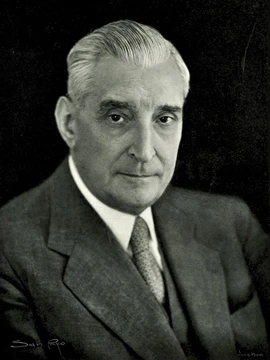
William de Warenne, 1st Earl of Surrey
Norman nobleman, fought at Hastings, founded England's first Cluniac priory.
William de Warenne, 1st Earl of Surrey (died 1088), was a Norman nobleman who fought at the Battle of Hastings in 1066 under William the Conqueror. He was created Earl of Surrey by William II Rufus and held extensive lands across 13 counties at the time of the Domesday Book in 1086, including the Rape of Lewes. He is notable for founding Lewes Priory, the first Cluniac priory in England.
- born
- Hamlet of Varenne, near Arques-la-Bataille, Duchy of Normandy (now Seine Maritime)
- died
- 24 June 1088, Lewes, East Sussex
- field
- Nobleman, military commander
- nationality
- Norman
- known_for
- Fought at Battle of Hastings; founded Lewes Priory; created Earl of Surrey
Lore & Background
William de Warenne was a son of Rodulf or Ralph de Warenne and Emma. Chronicler Robert of Torigni reported that William descended from a sibling of Duchess Gunnor, wife of Duke Richard I, though his genealogies are confused and contain contradictions. William was from the hamlet of Varenne, near Arques-la-Bataille. As a second son, he did not inherit the family's small estates, but proved loyal to Duke William during the rebellions of 1052–1054, playing a strong part in the Battle of Mortemer. He was rewarded with lands confiscated from his kinsman Roger of Mortemer, including the Castle of Mortimer, and also acquired lands at Bellencombre.
William was among the Norman barons summoned to the Council of Lillebonne when the decision was made to oppose King Harold II's accession. He fought at Hastings and was rewarded with numerous holdings across 13 counties, including the Rape of Lewes in Sussex and Castle Acre in Norfolk, which became his headquarters. He fought against rebels at the Isle of Ely in 1071, showing a special desire to hunt down Hereward the Wake, who had killed his brother-in-law Frederick. Hereward is supposed to have unhorsed him with an arrow shot.
Sometime between 1078 and 1082, William and his wife Gundred travelled to Rome, visiting monasteries. In Burgundy they were halted by war between Emperor Henry IV and Pope Gregory VII. They visited Cluny Abbey and were so impressed they decided to found a Cluniac priory on their lands in England. They sent to Hugh, Abbot of Cluny, who finally sent monks including Lazlo, the first Abbot. The house founded was Lewes Priory, dedicated to St Pancras, England's first Cluniac priory. William supported King William II in the siege of Saint-Suzanne and was created Earl of Surrey, probably in early 1088. In the Rebellion of 1088 he was mortally wounded at the First Siege of Pevensey Castle and died on 24 June 1088 at Lewes. He was buried beside his wife Gundred in the chapter house of Lewes Priory.
Reader's Guide
William de Warenne's significance lies in his role as a proven companion of William the Conqueror at the Battle of Hastings, one of the few documented participants. His reward of extensive lands across 13 counties, including the strategic Rape of Lewes, illustrates the Norman redistribution of English territory after 1066. His founding of Lewes Priory as the first Cluniac house in England introduced a new monastic order to the country, reflecting the broader cultural and religious changes brought by the Norman Conquest. His creation as Earl of Surrey under William II Rufus marks the formal establishment of the earldom. The uncertainties in his genealogy, as noted by chronicler Robert of Torigni, highlight the challenges of reconstructing early Norman family histories. His death during the Rebellion of 1088 underscores the ongoing political instability after the Conqueror's death. Overall, Warenne exemplifies the Norman baron who rose through military service, accumulated wealth and land, and left a lasting religious foundation.
Did You Know?
- William de Warenne is among the few individuals known from documents to have fought under William the Conqueror at the Battle of Hastings in 1066.
- He founded Lewes Priory, the first Cluniac priory in England, after visiting Cluny Abbey in France.
- He was mortally wounded at the First Siege of Pevensey Castle during the Rebellion of 1088.
- Chronicler Robert of Torigni gave confused genealogies, sometimes making William de Warenne and Roger de Mortimer brothers, sometimes making Roger the son of William.
More in part-1
Spotted an error? Know more?
This is a living reference — every entry is fact-audited, and reader corrections feed straight into our audit queue. Suggest an edit · See this site's audit record